
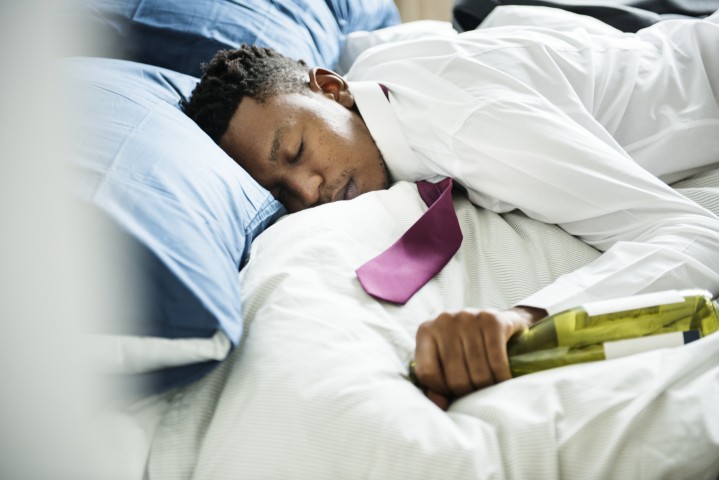
Plenty of us enjoy a nice drink of our favourite alcoholic beverage once we settle in for the night, but have you ever considered how alcohol impacts sleep? While you may believe that having a stiff drink before bed will help you sleep, research shows the opposite is actually true. Even though alcohol may help you fall asleep initially, it won’t help you stay asleep, as it often causes fragmented sleep and frequent waking during the night.
Another key consideration of how alcohol affects sleep is that it reduces the amount of time you spend in the important Rapid Eye Movement (REM) phase. The REM phase is where we enjoy the highest quality sleep, which is why drinking alcohol before bed often leaves us feeling tired and sluggish in the morning. This is in addition to the threat of a headache and the feelings of being stressed and irritable in the morning.
If you’re looking to learn more about alcohol and sleep, or wish to discuss our premium products, give us a call on 1300 858 139 or send an email to enquiries@wenatex.com.au.
How Alcohol Impacts Sleep and the Issues it Causes
Less REM Sleep
As mentioned above, one of the biggest issues of how alcohol affects sleep is its ability to reduce the amount of REM sleep we enjoy. REM sleep is vital for us to properly function, as it helps to build and maintain normal levels of concentration while also boosting our memory. Not getting enough REM sleep often leads to feeling tired and groggy the next day, while also producing long-term effects like a higher risk of disease.
Snoring and Sleep Apnoea
The negative connection between alcohol and sleep is especially felt in those who snore or suffer from sleep apnoea. This is because drinking alcohol before bed often aggravates these issues, due to its tendency to relax the tongue and throat muscles. As alcohol also interferes with the brain’s ability to receive chemical messages, it can increase the likelihood of pauses in breathing while sleeping, making it a key instigator and enabler of sleep apnoea.
Fragmented Sleep
There is nothing more annoying than constantly waking up during the night, especially when you have an early start in the morning. As alcohol puts you into deep sleep earlier than you should be, the disrupted sleep schedule causes your body to wake yourself up, robbing you of sleep’s natural benefits. How alcohol impacts sleep is also seen through its tendency to make you need to pee more, meaning you are likely to be up all night running to the bathroom.
Disrupted Circadian Rhythm
Another way for how alcohol affects sleep is how it disrupts our circadian rhythm, which is our body’s internal 24-hour clock. It’s the reason why we feel awake during the day and tired at night, as our body reacts to daytime and darkness. Alcohol lessens our body’s sensitivity to these shifts in environment, however, meaning it can greatly impact our natural sleep cycle. This can cause you to feel tired during the day and wide awake in the middle of the night.
Nightmares
We’ve all experienced vivid nightmares that have left us rattled and unsure if what we saw was real or fiction created by our mind. The connection between alcohol and sleep shows that those who go to bed with alcohol in their system are much more likely to experience these frightening vision. It can also increase the chances of certain parasomnias occurring, such as sleepwalking and bedwetting.
How Alcohol Impacts Sleep: When Should I Stop Drinking Before Bed?
If you love to end your day with a drink, research regarding alcohol and sleep has found that you should stop drinking at least three hours before bed to avoid the above effects. Of course, abstaining even longer will produce better results. How much you are drinking and the types of alcohol you are consuming will also impact its effects on your sleep, while drinking on an empty stomach is also more likely to produce negative results.
How Alcohol Impacts Sleep and How Can I Prevent It?
While minimising your drinking is the best way to avoid how alcohol affects sleep, the revolutionary products here at Wenatex are designed to provide you with the best sleep possible. We supply everything from orthopaedic beds to the perfect orthopaedic pillow, all created using innovative materials and scientific research.
If you’re ready to experience the best sleep of your life, send an email to enquiries@wenatex.com.au or contact us on 1300 858 139 to speak to our friendly team.